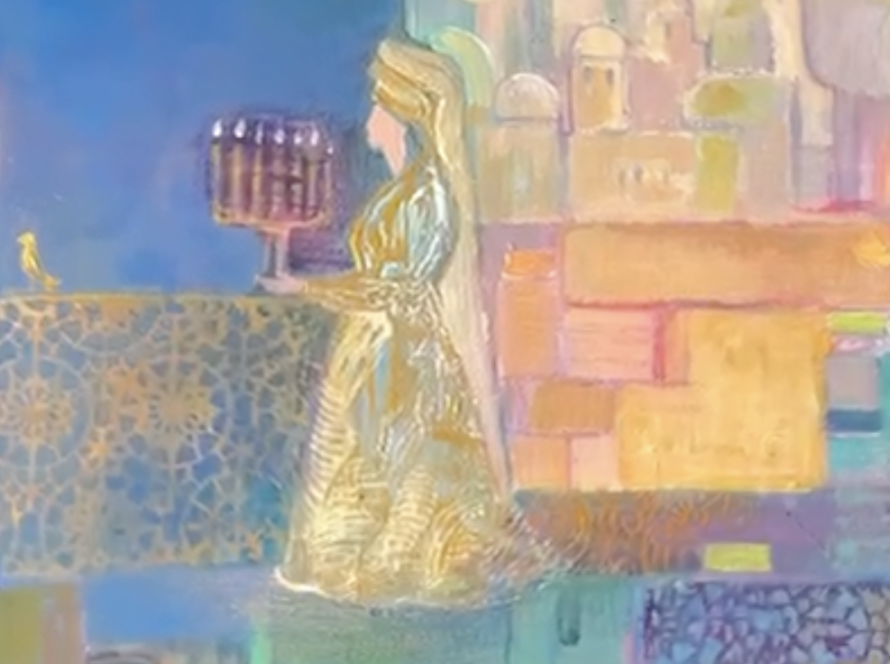
Why do artists continue to depict the Red Sea splitting? It’s a moment when water walls parted, showing a path through the impossible. This scene is a symbol of freedom, seen by people all over the world.
Every painting of the Exodus has a spark of creativity. It turns old stories into living art. Artists see it as more than a biblical event. They capture the essence of change when people moved from slavery to freedom.
The Red Sea miracle touches something deep in us. Today’s artists find new ways to show this miracle. Their paintings open a window to our shared history and personal stories, blending old and new.
Each Exodus painting carries the hopes of many. Artists who paint this moment join a special tradition. They connect heaven and earth, freedom and hope.
Key Takeaways
- The Red Sea splitting remains one of the most frequently depicted scenes in religious art history.
- Contemporary exodus paintings blend ancient narrative with modern artistic expression.
- Divine intervention artwork serves as both historical documentation and spiritual inspiration.
- Artists interpret the Red Sea miracle through personal and collective cultural lenses.
- These paintings transform biblical text into a visual testimony of liberation.
- Each artistic interpretation reveals new dimensions of the Exodus story’s eternal relevance.
The Eternal Story of Jewish Freedom Through Art
The story of the exodus is a timeless source of inspiration. It speaks to each new generation in its own way. Artists have turned this story of freedom into beautiful works of art. These pieces show both the wisdom of the past and the hopes of today.
The journey from slavery to freedom is a powerful symbol. It touches the hearts of Jews and people everywhere.
From Ancient Liberation to Modern Expression
Today’s Jewish art brings new life to old themes. Artist Golda Koosh started this journey. She mixes biblical stories with today’s views.
Now, artists keep this tradition alive. They use new ways to show the truths of freedom and faith.
The way art changes shows how our views evolve. Yet, it always stays true to sacred traditions:
|
Historical Period |
Artistic Style |
Key Themes |
|
Medieval Illumination |
Gold leaf and miniatures |
Divine miracles |
|
Renaissance |
Acrylic on canvas |
Human narratives of struggle and resilience |
|
Modern Era |
Abstract and symbolic |
Personal interpretation |
Why the Exodus Narrative Resonates Today
The story of the exodus talks about struggles, hope, and change. Today, it inspires us through personal journeys and fights for justice.
Connecting Historical Struggles with Contemporary Jewish Identity
Today’s Jewish art links the past to our present. Artists blend tradition with today’s life. They make art that respects history and speaks to today’s search for meaning.
Red Sea Splitting: The Pivotal Moment of Divine Intervention
The Red Sea splitting is a key moment in Jewish history. It shows how divine power freed an enslaved people, turning them into a free nation. This event is more than just history; it’s a message for all about faith, courage, and hope in tough times.
Biblical Significance of the Miraculous Parting
In Exodus 14, Moses stretches his staff over the waters at G-d’s command. The waters part, making walls on both sides. The Israelites then walked through on dry ground. This miracle demonstrates G-d’s direct help in human history, starting a special bond with the Jewish people that lasts to this day.
The Transformation from Slavery to Freedom
The Red Sea splitting was a turning point from slavery to freedom. Before crossing, the Israelites were fugitives. After reaching the other side, they became a nation ready for revelation at Sinai. This miracle set the stage for understanding redemption in Jewish thought and art.
The Visual Language of Liberation in Contemporary Jewish Art
Artists today use brushstrokes to express what words can’t fully say. Contemporary Jewish art turns the story of liberation into a visual masterpiece. Each painting is a special place where the past and present meet.
Here, the divine encounter at the Red Sea is shown in new ways through modern art.
Color Symbolism in Exodus Paintings
Red is everywhere, symbolizing blood and water. Artists mix crimson with gold to show divine presence. Deep blues represent the depth of faith.
Turquoise waters and scarlet walls show the path from slavery to freedom. White light breaks through darkness, bringing hope and revelation. These colors carry deep meanings, showing the emotional power of freedom.
Capturing Movement and Drama on Canvas
Exodus paintings tell stories through movement and drama. Swirling waters and figures leaning into freedom show the miracle of the moment. Artists use lines and shapes to show divine intervention.
Diagonal lines create tension, and circular motions suggest divine action. Vertical lines reach up, showing praise and wonder.
Traditional Motifs Meet Modern Techniques
Contemporary Jewish art combines old symbols with new techniques. Moses’s staff is seen in new, abstract ways. Traditional Hebrew letters float in modern art, like prayers in flight.
Artists mix classic Jewish symbols with modern methods. This creates works that connect to both tradition and today’s world.
Behind the Canvas: Creating the Red Sea Splitting Painting by Golda Koosh
Making sacred art needs skill and spiritual depth. In Golda Koosh’s studio, the Splitting of the Red Sea paintings by Golda Koosh come to life. They are filled with layers of meaning and careful work. Koosh’s years of training and deep faith create art that touches both the eye and soul.
Artistic Process and Inspiration
The artistic process starts before paint hits the canvas. Each stroke carries memories of cultural events and spiritual moments. The artist’s bond with Israel adds meaning to every color.
Her way of making Jewish artwork is a mix of respect and creativity. She uses old icons but adds new techniques to make them fresh.
Technical Elements and Composition
The painting’s layout shows Koosh’s careful planning. High walls of water surround a central path, creating a strong vertical line. Blues and turquoises show water’s beauty, while earth tones keep the figures grounded.
The Hidden Fire Within the Artwork
Underneath the surface, a hidden fire burns. This fire is the spark of freedom in the Exodus story. The Red Sea Splitting paintings by Golda Koosh show more than a historical event. They show our eternal desire for freedom.
The Red Collection: Celebrating Jewish Resilience Through Color
The color red is very important in Jewish art. The Red Collection shows the strength of Jewish people over time. It uses bright reds, deep scarlets, and warm burgundies to tell stories of courage.
Red means more than just passion in Jewish tradition. It’s also about the flame of faith that never goes out. Artists in The Red Collection use these meanings to create art that touches people’s hearts and minds.
|
Color Element |
Spiritual Meaning |
Artistic Expression |
|
Crimson |
Divine protection and sacrifice |
Bold brushstrokes depicting liberation |
|
Scarlet |
Courage and determination |
Dynamic compositions of movement |
|
Ruby |
Wisdom and eternal covenant |
Layered textures suggesting depth |
|
Burgundy |
Maturity and endurance |
Rich backgrounds anchoring narratives |
The Red Collection is part of a bigger group of art. There’s also The Blue Collection, The Gold Collection, The Green Collection, and many more. Together, they show all sides of Jewish culture and spirituality.
Parting of the Red Sea in Jewish Artistic Tradition
The miracle of the waters parting has inspired Jewish artists for ages. This key event from Exodus is a constant source of creative spark. It has influenced Jewish art for centuries, from ancient mosaics to today’s galleries.
Historical Depictions Through the Centuries
The parting of the Red Sea first showed up in the Dura-Europos synagogue frescoes from 244 CE. These early works showed Moses leading the waters apart. Later, the Sarajevo Haggadah from the Middle Ages used gold and blues to depict the Israelites walking through the parted sea.
In the Renaissance, Jewish artists mixed European styles with Hebrew symbols. The Amsterdam Haggadah of 1695, for example, had detailed engravings that shaped Seder table decorations for years.
Contemporary Interpretations and Innovations
Today, artists mix old themes with new views. Marc Chagall’s paintings showed the exodus with floating figures and magical colors. Yaacov Agam’s sculptures change as you move around them, symbolizing freedom from slavery.
The Role of Faith in Artistic Expression
Art about the parting of the Red Sea is a way to express faith. Artists use their work to connect with their spiritual side. This process links today’s Jews with their ancestors, making ancient stories feel alive and close.
From Biblical Narrative to Personal Transformation
The stories of the Hebrew Bible are more than just history. They reflect our spiritual journey. When we see art about the Exodus or Noah’s story, we find deep connections. These stories mirror our struggles, faith, and renewal.
Today’s Jewish artists connect with viewers through their art. They turn old stories into living dialogues about who we are and our purpose. Each stroke of paint carries tradition and invites us to reflect.
Looking at biblical narrative art changes us. It reminds us of our strength to overcome. Parents say it helps kids understand resilience. These stories guide us in meditation, prayer, and self-discovery.
Artists like Marc Chagall and Mordechai Rosenstein bring ancient texts to life. Their art lets us feel the desert, taste bitter herbs, and celebrate freedom. This makes us part of the story, not just observers.
Through art, we connect the wisdom of the past with today’s challenges. It offers us paths to explore our own stories of journey and promise.
Red Sea Splitting Jewish Artwork as Home Sanctuary
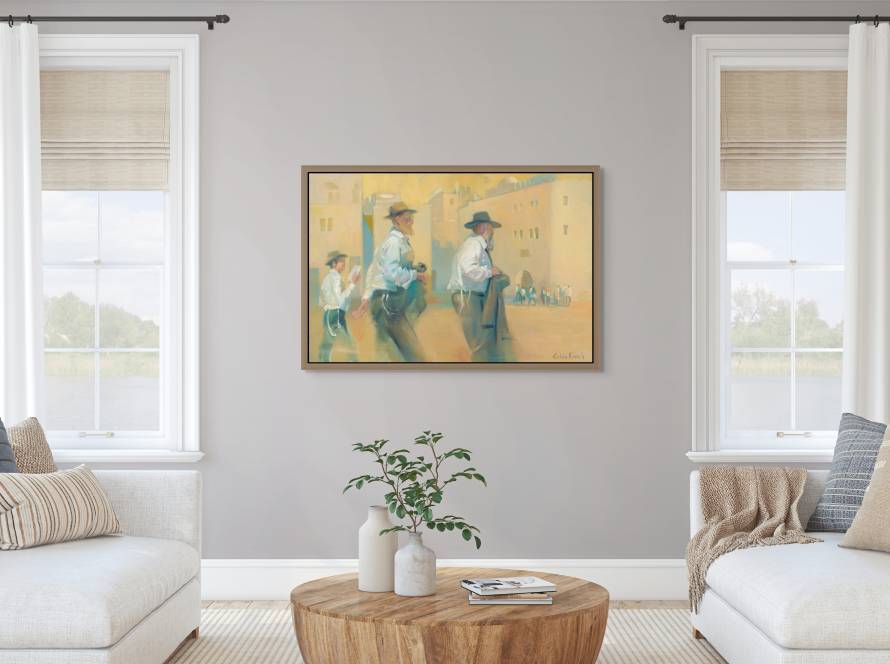
The walls of a Jewish home whisper prayers through art. Red Sea Splitting Jewish artwork turns ordinary rooms into vessels of memory and faith. Each brushstroke carries the weight of liberation, making living spaces feel like personal sanctuaries.
Creating Sacred Space Through Art
Sacred space art does more than decorate; it consecrates. The dramatic scene of waters parting creates a focal point that lifts the spirit. In dining rooms, these paintings witness Passover seders where families retell the Exodus story.
In studies and libraries, they inspire contemplation about freedom’s true meaning.
Jewish home decor featuring this moment serves multiple purposes:
- Establishing a visual connection to ancestral experiences.
- Creating an atmosphere of reverence and reflection.
- Marking the home as a distinctly Jewish cultural space.
- Inspiring daily gratitude for freedom.
The Power of Visual Reminders in Daily Life
Each morning, passing by the Red Sea Splitting Jewish artwork renews the covenant between the past and present. These images become silent teachers, reminding viewers that seemingly impossible barriers can part when faith meets divine will. The artwork transforms routine moments into opportunities for spiritual awareness.
Passing Heritage to Future Generations
Children raised with sacred space art absorb its messages naturally. They learn their history not through lectures but through living with beauty that tells their story. Jewish home decor becomes the backdrop of childhood memories, ensuring cultural continuity flows as naturally as conversation at the dinner table.
The Universal Message of Exodus in Today’s World
The story of Exodus is timeless, speaking to all who face oppression and seek freedom. Artists who create liberation art see the parallels between ancient Egypt and today’s struggles. They turn biblical stories into living tales that offer hope and meaning to today’s viewers.
Modern Parallels to Ancient Liberation
In today’s world, we see echoes of the Exodus story everywhere. It’s in refugee journeys, civil rights movements, and personal fights for freedom. The message of Exodus is alive today through:
- Political movements seeking justice and equality.
- Individual journeys from addiction to recovery.
- Communities breaking free from systemic oppression.
- Nations fighting for independence and sovereignty.
Liberation art shows these struggles, linking ancient Hebrew slaves to today’s freedom seekers. Each stroke of the brush carries the weight of history and today’s reality.
Art as Bridge Between the Past and Present
Contemporary artists turn ancient wisdom into a visual language we can all understand. Their art connects us across time, showing that we share common human experiences. Through darkness, light emerges, just like dawn breaks in ancient Jerusalem, reminding us of the need for courage and faith in freedom.
“Art doesn’t merely depict history; it resurrects eternal truths for each new generation to discover and embrace.”
The power of these artistic interpretations lies in making timeless stories feel immediate and personal. They turn viewers into active participants in the ongoing story of human freedom.
Collecting and Commissioning Exodus-Themed Jewish Art
Starting a Jewish art collection means understanding the deep link between art and faith. Those who focus on Exodus themes find art that talks about freedom, belief, and Jewish strength. These pieces turn homes into places of cultural memory and spiritual thought.
Commissioning art with Exodus themes means working with artists who get the story’s depth and emotion. They pick moments from the Exodus, like the burning bush or the Red Sea crossing. Artists like Golda Koosh add their own twist to these stories, blending old traditions with new views.
|
Collection Category |
Popular Exodus Themes |
Artistic Style |
|
Biblical Narratives |
Red Sea Parting |
Contemporary Realism |
|
Symbolic Interpretations |
Pillars of Fire and Cloud |
Abstract Expressionism |
|
Freedom Celebrations |
Miriam’s Dance |
Folk Art Revival |
|
Divine Encounters |
Moses and the Burning Bush |
Spiritual Impressionism |
A well-chosen Jewish art collection is more than just art. It includes themes like Jerusalem, Shabbat, and Israel’s beauty. Each piece tells a part of the story of faith and culture, making the home a gallery of sacred memory and living tradition.
Conclusion
The Red Sea splitting is a key moment in Jewish art, where G-d’s power meets human belief. Artists like Golda Koosh turn this miracle into art that touches hearts across time. Each stroke of the brush tells the story of freedom and hope, showing how a nation was born.
This art is more than just history; it’s a symbol of strength and G-d’s care. Families seeing these paintings feel connected to their past. The art reminds us that freedom is not just history but a journey we must keep alive.
Jewish communities around the world value these artworks. They see how art keeps the story of the Red Sea alive today. This art connects the past to our present, keeping the spirit of freedom alive in our hearts and homes.
FAQ
What makes the Red Sea splitting such a powerful subject for Jewish artwork?
The Red Sea splitting is a key moment in Jewish history. It shows G-d’s power and the Jews’