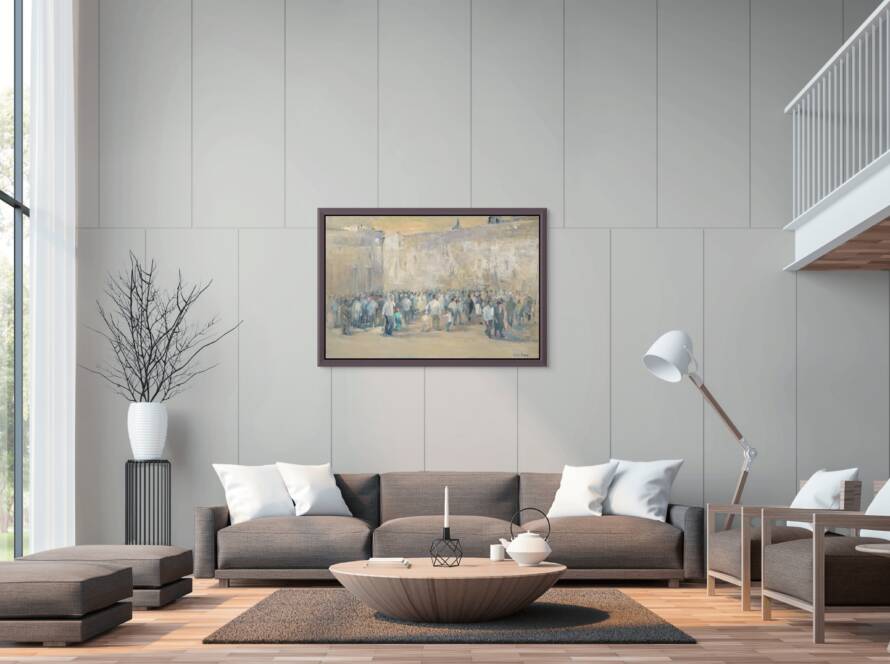
Can sacred traditions find new life through modern art? This question is at the core of modern Judaica painting. Artists blend ancient stories with today’s visual language.
Contemporary Jewish art breaks free from old limits, sparking a lively conversation between past and now. Artists like Golda Koosh turn religious tales into eye-catching stories. These stories decorate homes and sacred places, touching both believers and art lovers.
Golda Koosh’s Jewish wall art is a spiritual rebirth. Each piece links old traditions with today’s tastes. These paintings are more than decor; they open a window to Jewish heritage, showing faith’s beauty through new eyes.
Modern Judaica painting is more than art. It shows the lasting power of visual stories in keeping and celebrating culture. These artworks turn homes into places of deep meaning and memory.
Key Takeaways
- Contemporary Jewish art bridges ancient traditions with modern artistic expression.
- Golda Koosh creates meaningful visual narratives that honor Jewish heritage.
- Modern Judaica paintings serve as both decorative pieces and spiritual touchstones.
- These artworks transform homes into spaces of cultural significance.
- Visual storytelling preserves religious traditions for future generations.
- Contemporary interpretations make sacred themes accessible to diverse audiences.
The Significance of Modern Judaica Painting in Contemporary Jewish Life
Modern Judaica wall art turns sacred traditions into stories that connect generations. These paintings open a window to spiritual heritage, letting families see their faith through art. In homes across America, Jewish heritage wall art blends ancient wisdom with modern style, linking past and present.
Bridging Ancient Heritage with Modern Expression
Artists today mix traditional Jewish symbols with new techniques. They use bold colors and fresh styles to make art that speaks to today’s world. Symbols like the tallit and menorah get new life in these pieces, drawing in younger viewers who want to connect with their heritage through art.
The Role of Art in Preserving Jewish Identity
Jewish heritage wall art acts as a cultural anchor in a world that’s becoming more secular. Families display these pieces to keep their spiritual ties strong and share values with their kids. Each painting sparks talks about faith, history, and tradition during family gatherings.
Contemporary Artists Reimagining Traditional Themes
Today’s artists bring new views to sacred subjects. They create paintings of the Western Wall that capture its spiritual vibe through abstract and impressionistic styles. Artists like Golda Koosh turn prayer scenes into vibrant, emotive works. Their art keeps the essence of Jewish worship alive while appealing to today’s viewers who seek real spiritual expression.
Fathers, Sons, and the Kotel: A Masterpiece by Golda Koosh
The bond between generations shines in Golda Koosh’s “Fathers, Sons and the Kotel“. This painting turns Jerusalem’s Western Wall into a symbol of Jewish tradition. It shows generations praying together, creating a powerful visual of faith that spans time.
Visual Elements and Artistic Composition
The artwork is full of meaning, thanks to its colors and layout. Earthy tones meet sky blues, with gold adding a touch of the divine. The arrangement of figures tells a story, guiding the viewer through a journey of faith.
| Artistic Element | Symbolic Meaning | Visual Impact |
| Color Palette | Spiritual warmth | Creates emotional depth |
| Figure Placement | Generational bonds | Shows unity in prayer |
| Light Sources | Divine presence | Highlights sacred moments |
The Sacred Gathering at Jerusalem’s Western Wall
Every stroke in this painting brings the Western Wall to life. Men in prayer shawls stand next to boys experiencing tradition for the first time. The artwork shows prayers rising to heaven, blending with the wall’s history.
Capturing Tender Moments of Devotion
The painting shows intimate gestures between fathers and sons. A father guides a child’s finger on sacred text or places a reassuring hand on their shoulder. These moments turn the wall into a place of personal and shared faith.
Themes of Family and Faith in Contemporary Jewish Art
Family and faith are at the heart of contemporary Jewish art. The artist shows the special moments that pass down spiritual values. These moments connect parents and children, creating a strong tradition that lasts for generations.
In kotel Jewish art painting, the artist focuses on the bond between fathers and sons at the Western Wall. These paintings highlight quiet moments of teaching and prayer. The Western Wall, with its ancient stones, watches over these moments of spiritual learning.
These artworks turn these personal moments into stories that everyone can relate to. They show that faith is not just about texts and rituals. It’s also about the love and guidance of a parent during prayer. Each kotel prayer painting shows how family ties and faith are intertwined.
The beauty of these artworks is how they show Judaism as a living tradition. They show how family worship keeps traditions alive. When we see contemporary Jewish art of family prayer, we see the essence of preserving culture. It’s the quiet moments where heritage becomes personal, and prayers are passed down to the next generation.
The Chain of Tradition: Heritage Passed Through Generations
The bond between generations is deeply rooted in Jerusalem’s ancient stones. A
Jerusalem Western Wall painting shows more than just prayer. It reveals the wisdom passed from father to child over time. These artworks highlight how spiritual heritage is shared through teaching moments, where old words meet young hearts.
Fathers Guiding Sons in Prayer and Tradition
At the Western Wall, fathers teach their sons in prayer shawls. They pass down rituals that have lasted for thousands of years. Their hands guide the younger ones, showing them how to pray and touch the stones.
This father’s sons and the kotel artwork capture these special moments. Each gesture and prayer connects the child to their ancestors. It’s a way of keeping tradition alive.
The Sacred Atmosphere of the Kotel
The Western Wall has a spiritual energy that makes moments special. Doves nest in the stones, and prayers rise to heaven. This atmosphere makes Jewish heritage wall art pieces come alive for those who visit.
The limestone blocks have seen generations come with devotion and hope. They stand as a testament to the unbreakable faith of the Jewish people.
Preserving Heritage Through Hearts and Hands
Jewish tradition is not just in museums but in everyday life. Parents teach children prayers, the taste of challah, and the warmth of Sabbath candles. These traditions keep the culture alive, stronger than any monument.
Incorporating Kotel Jewish Art Painting into Modern Homes
Sacred art turns houses into homes with deep spiritual meaning. A kotel Jewish art painting brings Jerusalem’s sacred essence into our homes. It creates daily connections to faith and tradition.
These pieces serve as visual anchors. They ground families in their heritage while enriching modern interiors.
Creating Meaningful Spaces with Jerusalem Western Wall Painting
A Jerusalem Western Wall painting becomes more than decoration. It’s placed thoughtfully in living areas. The dining room gains deeper significance when Golda Koosh jewish wall art overlooks family gatherings.
Children absorb cultural values naturally through daily exposure. Each glance reinforces identity without formal lessons.
| Room Placement | Spiritual Impact | Design Enhancement |
| Living Room | Creates a focal point for prayer and reflection | Adds warmth through earth tones |
| Study or Library | Inspires Torah learning | Complements book collections |
| Entryway | Welcomes guests with heritage | Sets spiritual tone immediately |
Modern Judaica Wall Art as Cultural Centerpieces
Contemporary homes embrace modern Judaica wall art as bridges between past and present. These pieces spark conversations across generations. Grandparents share memories of Jerusalem visits while children ask questions about prayer traditions depicted in the artwork.
The visual storytelling within each piece opens pathways for heritage transmission. It feels organic, not obligatory.
“Art speaks where words leave off, carrying the soul of tradition into tomorrow’s homes.”
Conclusion
Modern Judaica painting connects old traditions with new expressions. Golda Koosh’s “Fathers, Sons and the Kotel” shows the sacred moments in Jewish life. It turns ancient rituals into memories that families cherish today.
The tradition of father and son paintings at the Kotel shows Jewish continuity. Each stroke of the brush shares a story of faith from one generation to the next. These stories live in our homes and hearts, reminding us of our heritage.
Modern Judaica painting is more than just decoration. It opens a window into Jewish tradition, blending past and present. To see how these pieces can enrich your home, contact Golda Koosh at +972506689640 or visit goldakoosh.com/contacts.
FAQ
What makes Golda Koosh’s “Fathers, Sons and the Kotel” artwork unique among contemporary Jewish art?
Golda Koosh’s masterpiece is special because of its bright colors and lively composition. It shows families praying together at the Western Wall. The painting turns a sacred moment into beautiful art, showing how families share prayers and traditions.This artwork goes beyond usual religious pictures. It focuses on the deep connections between people in a sacred place. It speaks to both those who follow the faith closely and those who don’t, showing the value of Jewish heritage.
How does displaying a father and son Kotel painting enhance a Jewish home’s spiritual atmosphere?
A painting of a father and son at the Kotel reminds families of their faith and bond. It makes homes places of reflection and heritage. When families display such art, children learn about their Jewish identity and values.This makes keeping traditions a natural part of their lives. The painting sparks conversations about family history and faith. It teaches important lessons in a way that’s both beautiful and meaningful.
What artistic techniques does Golda Koosh employ in this contemporary Jewish art Kotel scene?
Golda Koosh uses bold brushstrokes and bright colors to capture the essence of the Kotel. Her art takes viewers on a journey through layers of meaning. It shows both personal devotion and collective worship.She pays close attention to light and shadow. This brings out the beauty of the Jerusalem stone and the tender moments between generations. Her work invites viewers to reflect and contemplate with each look.
Why is the Western Wall such a significant subject in modern Judaica wall art?
The Western Wall is the last part of the Second Temple, making it the holiest prayer site in Judaism. It symbolizes resilience, faith, and continuity over thousands of years. In modern art, it connects Jewish life today to its ancient roots.Artists like Golda Koosh use the Kotel to tell stories of devotion, community, and spiritual longing. They make this sacred site relatable to today’s viewers, exploring universal themes of faith, family, and belonging.
How can collectors acquire authentic Golda Koosh Jewish wall art pieces?
To buy authentic Golda Koosh art, contact her at +972506689640 or visit goldakoosh.com/contacts. She offers different sizes and formats of “Fathers, Sons and the Kotel“. Each piece captures the emotional depth and spiritual essence of the original.Personal consultations help collectors understand the artwork’s creation, symbolism, and display. This ensures they can appreciate and showcase these meaningful pieces in their homes or institutions.
What emotional and spiritual impact does a Jerusalem Western Wall painting have on viewers?
A Jerusalem Western Wall painting deeply moves viewers by connecting them to Jewish history and tradition. It evokes feelings of homecoming, spiritual longing, or renewed connection to heritage. The painting is a meditation on faith, family, and identity.It inspires viewers to reflect on their relationships with tradition and the importance of preserving heritage. It encourages a deeper appreciation for the past and its relevance to the present and future.