Experiencing Hanukkah 2025: Sacred Moments in Jerusalem
What if the most meaningful celebration isn’t about perfect timing or elaborate preparations, but about finding light in unexpected places? As an artist prepares for this year’s observance, she’s reflecting on how ancient traditions speak to our modern lives.
The festival lights hold special meaning when kindled near the temple site. Each flame connects us to centuries of resilience and faith. In Golda Koosh’s work, creating modern artwork, we witnessed how these moments transform ordinary spaces into sacred encounters.
This holiday feels particularly poignant as we navigate contemporary challenges. The menorah’s glow becomes more than ritual; it’s a beacon of hope. Jerusalem’s ancient stones seem to absorb this illumination, creating canvases of spiritual connection.
We invite you to join our journey through modern artwork and celebration. We’ll explore how this celebration bridges the past and present. The dates on the calendar matter less than the timeless essence we discover.
Key Takeaways
- Hanukkah 2025 offers unique opportunities for spiritual connection in Jerusalem’s sacred spaces.
- The festival lights carry deep historical significance when lit near ancient temple sites.
- Modern celebrations can beautifully blend traditional rituals with contemporary meaning.
- Jerusalem’s atmosphere during this holiday creates unparalleled moments of reflection.
- The menorah lighting ceremony takes on special resonance in the holy city’s context.
- Artistic expressions can enhance traditional holiday observances.
- This year’s celebration bridges ancient traditions with present-day spiritual needs.
Exploring Hanukkah 2025 Traditions
We’ve discovered that the most powerful traditions are those that bridge centuries of history with contemporary meaning. The rituals we observe today carry echoes of ancient miracles while speaking directly to modern souls.
Festival Lights, Candles, and Menorahs
What draws us most to this celebration is how festival lights transform ordinary spaces. When we light menorah candles, each flame becomes a connection point. The candelabra serves as more than a ritual object; it’s a living bridge.
Beginning on the first night with a single candle, the illumination grows progressively brighter. This progression mirrors spiritual awakening in Golda Koosh’s modern artwork. We’ve used light throughout history as a statement of identity.
Miracle Oil and the Eight Days of Celebration
The miracle oil story resonates deeply in the artist’s creative process. That original oil defied natural expectations, burning for eight days when it should have lasted one. This miracle continues to inspire.
Each night’s lighting ceremony builds spiritual momentum. The traditions we practice today connect us directly to ancestors who witnessed redemption. These are not static rituals but living practices that continue to illuminate our path forward.
In the Ruins, We Rise: Hanukkah in the Heart of War
In the shadow of conflict, the festival lights burn with an intensity that transforms ordinary moments into profound declarations of hope. This year’s observance carries special weight as we navigate contemporary challenges.
In the Ruins, We Rise: Hanukkah in the Heart of War
“In the Ruins, We Rise” captures a poignant moment of resilience and faith. Our IDF soldiers stand amid the rubble of destruction, lighting the Hanukkah candles, a symbol of hope in the heart of despair. The muted, somber tones of the ruins contrast with the gentle glow of the menorah, illuminating the soldier’s face and the dark surroundings. This act of light in the darkness speaks to the enduring strength of the Jewish spirit, even in the most challenging times. It is a tribute to those who protect and inspire, showing that even in moments of war, hope and faith burn brightly.
Resilience Amidst Conflict
When we walk through Jerusalem during difficult times, we witness how others find strength in lighting candles each night. The menorah’s glow becomes more than ritual; it’s a defiant statement that darkness will not prevail. Golda Koosh’s modern artwork reflects this theme, showing light emerging from brokenness.
Each day of celebration becomes an act of faith. We celebrate Hanukkah regardless of external circumstances, declaring our commitment to hope.
Historical Significance and Renewal
The original Hanukkah story is itself a narrative of rising from ruins. It commemorates a victory that seemed impossible, reminding us that triumph can emerge from desperate circumstances.
This holiday’s message of renewal resonates powerfully today. The ruins aren’t just physical; they’re emotional and spiritual. Hanukkah 2025 teaches us that from every form of destruction, we possess the strength to rebuild.
Light in the Streets of Jerusalem
There’s a particular magic that settles over Jerusalem when dusk arrives during the festival – the city begins to glow from within. We’ve witnessed this transformation year after year, and it never loses its power to move us.
Light in the Streets of Jerusalem
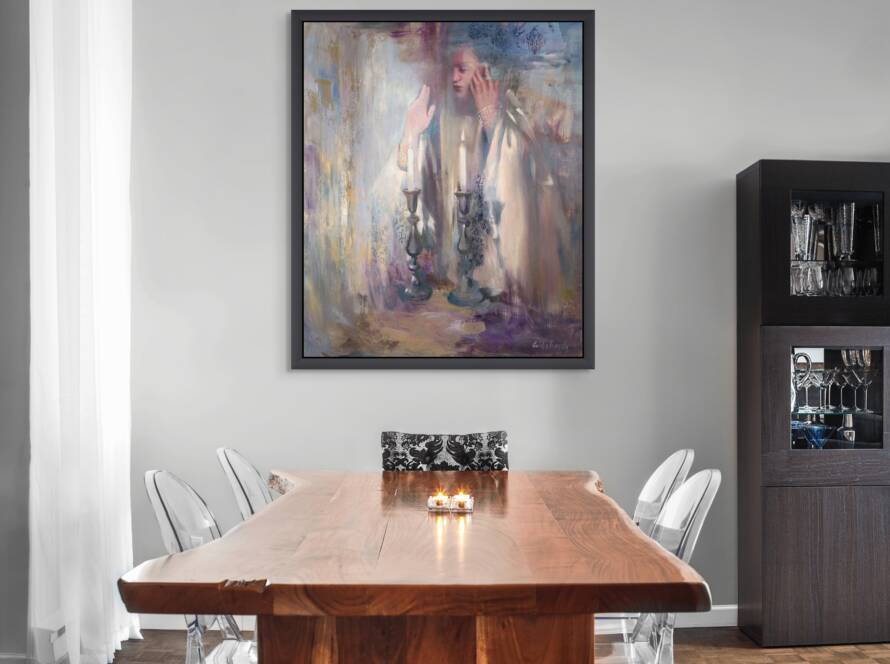
This painting is inspired by the timeless beauty of Jerusalem during Hanukkah, a city filled with light, faith, and tradition. We’re captivated by the sight of Hasidic Jews and children gathered in the streets, lighting the menorah as the sun sets under a brilliant blue sky. The golden glow of the candles blends with the fading daylight, creating a powerful contrast between heaven and earth, ancient and modern. It’s a celebration of resilience and hope, a reminder that even in the heart of the old city, the flames of tradition continue to burn brightly, illuminating the path for future generations.
The Urban Illumination of a Timeless City
As night falls, something remarkable happens throughout the neighborhoods. Windows that were dark moments before suddenly bloom with the warm light of candles. Each menorah placed in a window becomes part of a greater tapestry.
This public lighting creates an atmosphere we can only describe as transcendent. The entire city becomes a living candelabra, with ancient stone walls reflecting the flickering hope. This is how we’ve traditionally used light – not just as decoration, but as declaration.
When families celebrate Hanukkah by placing their menorahs in windows, private ritual becomes a communal experience. Walking through the Jewish Quarter at this time, we witness individual contributions to collective brightness.
The streets themselves become sacred space during this festival. In Golda Koosh’s modern artwork, we try to capture how Hanukkah is celebrated in Jerusalem, connecting strangers through shared tradition. The urban illumination demonstrates that sacred moments spill into everyday spaces.
Sacred Glow: Hanukkah in the Holy City
The spiritual resonance of lighting candles near the original temple site creates a bridge between my modern artistic expressions and ancient traditions. This proximity transforms the Hanukkah experience into something profoundly personal.
Sacred Glow: Hanukkah in the Holy City
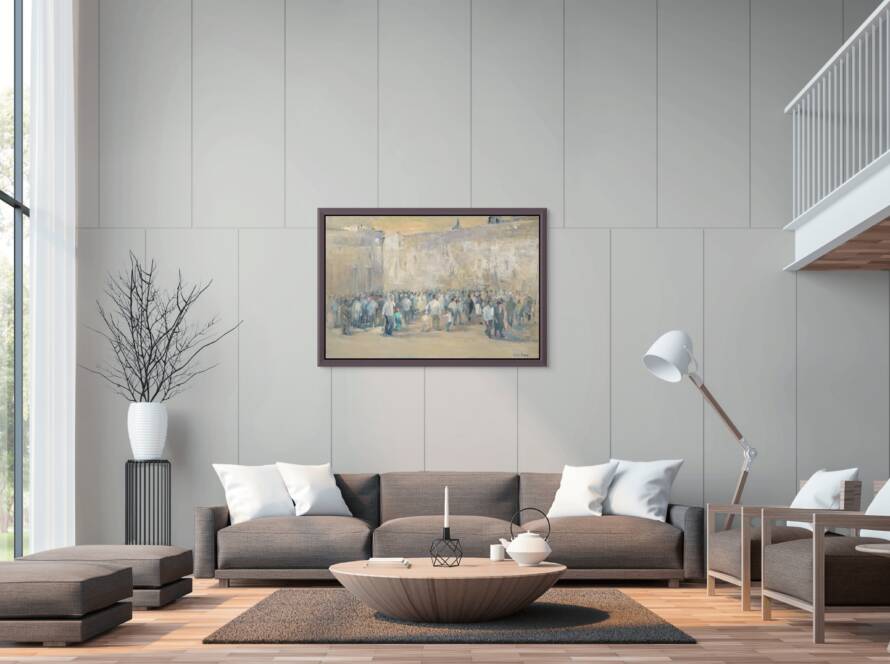
As the artist painted this scene, we feel the warmth of tradition and the quiet glow of faith filling the streets of Jerusalem. The flickering candlelight, reflected in the eyes of the Hasidic men, carries the weight of our history, a symbol of resilience, miracles, and unwavering devotion. The artist wanted to capture the sense of unity and sacred joy that Hanukkah brings, as each flame illuminates the ancient stone walls, linking past and present in a timeless celebration of light over darkness.
Spiritual Reflections at Jerusalem’s Ancient Temples
Standing near the Western Wall during Hanukkah 2025, we feel the weight of history. Each candle we light connects us to generations who performed this same lighting ceremony.
The ancient stones seem to absorb the glow from every menorah. This creates a sacred atmosphere that informs Golda Koosh’s modern artwork. The physical space becomes a living classroom.
Rededication and Sacred Celebrations
The concept of rededication speaks deeply to an artist’s creative process. The original rededication temple after the Maccabean victory established a powerful precedent.
Sacred spaces can always be reclaimed and purified. The rededication temple in Jerusalem’s story teaches that commitment matters more than physical structures. This truth guides Golda Koosh’s artistic traditions.
| Spiritual Experience | Personal Reflection | Communal Impact |
| Candle Lighting at Western Wall | Direct connection to an ancient miracle | Shared hope among thousands |
| Designing a Contemporary Candelabra | Honoring historical rededication | Bridging past and present |
| Eight days of observance | Progressive spiritual awakening | Growing collective light |
These experiences remind us that holiness lives in intentional moments. The sacred glow near the temple in Jerusalem illuminates both history and heart.
A Taste of Tradition: Foods & Festivities
In our kitchen, the sizzle of oil becomes a meditation, linking the physical act of cooking to spiritual traditions that have sustained generations. These foods transform abstract celebration into tangible experience, connecting us through taste and memory.
Latkes, Sufganiyot, and Cultural Recipes
When we prepare latkes, the crisp potato pancakes fried in oil become more than a meal. They’re edible reminders of ancient miracles, each bite carrying historical significance. The golden-brown perfection speaks to resilience and celebration.
We find equal joy in crafting sufganiyot, those delightful jelly doughnuts that symbolize sweetness and joy. Our grandmother’s recipes guide our hands, creating connections across time.
Culinary Stories Behind the Festival
Every family recipe holds stories within its ingredients and techniques. The specific way we grate potatoes for latkes or fill doughnuts carries cultural memory. These details matter deeply, linking us to people and places.
Oil-based foods dominate our holiday table, turning each meal into a teaching moment. Sharing these foods becomes an act of community-building and hospitality. The festivities around these culinary traditions create our most cherished holiday moments.
Cultural Narratives: Stories of Courage and Miracle
Around the spinning top, we gather not just for play but for connection to something much larger than ourselves. The cultural narratives of this season transform ritual into a living tradition. They breathe meaning into our celebrations, connecting us through shared stories.
Dreidel Legends and Community Bonds
The humble dreidel carries profound significance in its simple design. Each of the four Hebrew letters tells part of a story: “a great miracle happened there.” This children’s game allegedly served as secret Torah study during oppression.
During the eight days, each night reveals new dimensions of our heritage. The first night establishes themes we explore throughout the celebration. With each passing day, the word “miracle” expands beyond oil to include survival itself.
Gathering with others to spin the dreidel strengthens community bonds. We share stories that connect us across generations. This festival becomes more than dates; it’s a holiday of shared narrative.
The festival lights illuminate these stories in Golda Koosh’s modern artwork. These cultural narratives ensure our traditions remain vibrant for future generations. They’re how we pass courage and identity forward.
Conclusion
The rhythm of sacred observance follows a different drummer than our daily calendars. As Hanukkah begins each year at sundown according to the Jewish calendar, we remember that holiness operates outside secular time.
The shifting dates on the Gregorian calendar teach us about relative versus absolute time. When we light menorah candles each night, we join an unbroken chain of dedication.
This spiritual victory offers a template for modern challenges. Whether observing in Jerusalem or elsewhere, may these eight-day and night cycles illuminate your path.
For personal consultations about traditions or experiencing this sacred season through modern artwork, call +972506689640 or visit goldakoosh.com/contact. May your celebration glow with meaning from the first sundown onward.