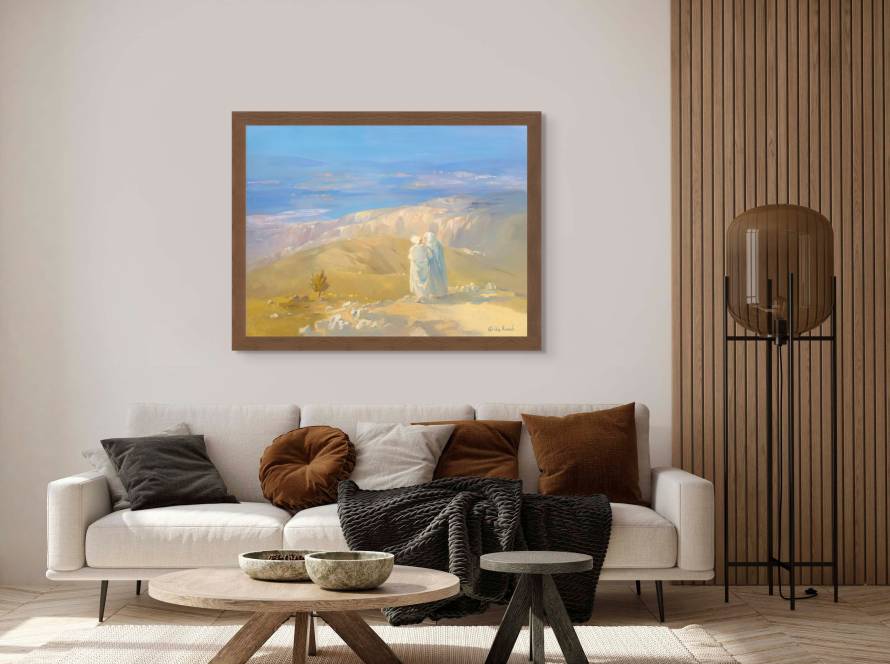
What role does art play in preserving the spiritual essence of sacred spaces? In the context of Jewish heritage, synagogue Judaica wall art serves as a powerful medium for capturing the nature of these revered environments.
Golda Koosh’s synagogue paintings are a testament to the significance of art in preserving cultural identity. Her works not only beautify the synagogue but also evoke a deep sense of spirituality and connection to Jewish tradition.
As we explore the significance of synagogue Jewish art by Golda Koosh, we uncover how these artworks bridge ancient sacred stories with contemporary art appreciation, preserving spiritual heritage through visual expression.
Key Takeaways
- The importance of synagogue Judaica wall art in preserving Jewish heritage.
- Golda Koosh’s synagogue paintings as a representation of Jewish cultural identity.
- The role of art in capturing the spiritual essence of synagogue spaces.
- The significance of preserving cultural heritage through visual expression.
- The connection between Jewish tradition and contemporary art appreciation.
The Sacred Nature of Synagogue Spaces in Jewish Tradition
Synagogues have long been the cornerstone of Jewish life, serving as sacred spaces where prayer, study, and community converge. These revered institutions have been central to Jewish tradition, fostering an environment of reverence, learning, and togetherness.
Historical Significance of Synagogues in Jewish Life
The historical significance of synagogues in Jewish life is undeniable. They have served as more than just places of worship; they are hubs of community activity, centers of study, and symbols of Jewish identity. Throughout history, synagogues have adapted to the needs of their communities while maintaining the core traditions of Jewish worship and practice.
Community and Worship: At the heart of synagogue life is the community. Synagogues provide a space for collective prayer, where the community comes together to celebrate religious holidays and life cycle events. This communal aspect is fundamental to Jewish worship, emphasizing the importance of gathering together in prayer and study.
Artistic Representation of Sacred Spaces
The artistic representation of synagogues and their interiors is a powerful way to capture the essence of these sacred spaces. Golda Koosh’s Jewish heritage art beautifully exemplifies this, bringing the spiritual and communal aspects of synagogue life to the forefront. Through her work, we gain a deeper appreciation for the role of synagogues in preserving Jewish heritage.
The Power of Visual Storytelling in Jewish Tradition
Visual storytelling has a rich history in Jewish tradition, from the intricate designs on Torah scrolls to the illuminated manuscripts that tell stories of Jewish history and faith. Golda Koosh’s synagogue Jewish art continues this tradition, using visual elements to convey the spiritual significance and beauty of synagogue spaces. Her art invites viewers to reflect on the deeper meanings and emotions evoked by these sacred environments.
Golda Koosh: Visionary Artist of Jewish Heritage
Golda Koosh stands as a luminary in the realm of Jewish art; her works are a testament to the enduring power of spiritual heritage. Her artistic journey is deeply rooted in the traditions and stories of Jewish culture, which she interprets through a contemporary lens.
Artistic Journey and Spiritual Inspiration
Golda Koosh’s path as an artist has been guided by a profound sense of spirituality and a commitment to preserving Jewish heritage. Her works are not merely visual representations but are imbued with the emotional and spiritual essence of synagogue spaces. Through her art, Koosh invites viewers to contemplate the beauty and significance of these sacred environments.
The spiritual inspiration behind Koosh’s art is evident in her use of rich colors and symbolic motifs, which evoke a sense of reverence and connection to the divine. Her paintings are characterized by their ability to capture the quiet moments of reflection and communal prayer, making them relatable to those who experience them.
Distinctive Artistic Style and Techniques
Koosh’s distinctive style is a blend of traditional Jewish motifs and contemporary artistic techniques. Her use of vibrant colors and expressive brushstrokes brings a sense of dynamism to her works, while maintaining a deep respect for the traditions they represent.
The Intersection of Tradition and Contemporary Expression
The intersection of tradition and contemporary expression is a hallmark of Koosh’s art. She skillfully weaves together elements of Jewish heritage with modern artistic sensibilities, creating works that are both timeless and timely. This blend is particularly evident in her contemporary synagogue wall art, which has become a significant part of her oeuvre.
Golda Koosh’s synagogue paintings are not only beautiful additions to sacred spaces but also serve as a bridge between the past and the present. They inspire a new appreciation for Jewish heritage and its continued relevance in modern life. For those interested in acquiring her work, Golda Koosh’s synagogue art is available for sale, offering a unique opportunity to bring the beauty and spirituality of her creations into one’s own space.
“The Quiet Synagogue”: Moments of Reverence and Reflection
“The Quiet Synagogue,” a masterpiece by Golda Koosh, invites viewers into a serene world where reverence and reflection converge. This painting is a poignant representation of the sacred space, capturing the essence of Jewish heritage through synagogue Judaica wall art.
Visual Elements and Composition Analysis
The composition of “The Quiet Synagogue” is characterized by its use of soft, warm lighting that permeates the space, creating an atmosphere of tranquility. The artist’s use of gentle colors and delicate brushstrokes adds to the overall sense of peace, drawing the viewer’s eye to the central elements of the synagogue.
The visual elements are carefully balanced, with the bimah and the Aron Kodesh being the focal points. The way the light interacts with these elements creates a sense of depth and dimensionality, inviting the viewer to explore the space further.
Symbolism and Spiritual Significance
The symbolism in “The Quiet Synagogue” is deeply rooted in Jewish tradition. The synagogue itself represents a sacred space where the community gathers for prayer and reflection. The light emanating from within symbolizes the divine presence, creating a connection between the earthly and spiritual realms.
The artist’s depiction of the synagogue’s interior, with its intricate details and ornate decorations, serves as a testament to the rich cultural heritage of the Jewish community. Each element is imbued with spiritual significance, contributing to the overall reverence of the space.
The Emotional Resonance of Sacred Silence
“The Quiet Synagogue” captures a moment of stillness, a moment that speaks to the heart of the viewer. The silence depicted in the painting is not just the absence of noise but a presence that envelops the space, creating an emotional resonance with those who experience it.
Capturing the Essence of Contemplative Prayer
The essence of contemplative prayer is beautifully captured in “The Quiet Synagogue.” The painting conveys a sense of intimacy and connection with the divine, inviting viewers to reflect on their own spiritual practices. Through its serene atmosphere and symbolic elements, the artwork creates a space for contemplation and reverence.
In conclusion, “The Quiet Synagogue” by Golda Koosh is a profound piece of synagogue canvas art and Jewish decor that not only beautifies the sacred space but also deepens the spiritual experience of those who encounter it. As a piece of synagogue spiritual wall paintings, it stands as a testament to the power of art to inspire and uplift.
“The Bimah of Blessing”: Protection and Tradition in Worship
In “The Bimah of Blessing“, Golda Koosh presents a powerful visual representation of Jewish tradition, where the Bimah, shaped like a Hamsa, becomes a symbol of protection and divine blessing. This painting is a significant piece in the synagogue Jewish art collection, embodying the essence of religious Jewish art.
The Hamsa-Shaped Bimah: Design and Symbolism
The Bimah, or the raised platform in a synagogue where the Torah is read, is creatively depicted in the shape of a Hamsa, an ancient Middle Eastern symbol known for its protective qualities. The Hamsa is often associated with blessings and protection from evil. By merging these two significant elements, Golda Koosh creates a unique visual narrative that is both a representation of Jewish heritage art and a profound expression of faith.
The design of the Hamsa-shaped Bimah is intricate, with detailed patterns that reflect traditional Jewish motifs. The use of the Hamsa symbolizes the protection and blessings that are central to Jewish worship. This fusion of the Bimah with the Hamsa not only enhances the spiritual ambiance of the synagogue but also serves as a reminder of the divine presence in the community.
The Fusion of Protection and Tradition in Sacred Ritual
The depiction of the Bimah as a Hamsa in “The Bimah of Blessing” highlights the convergence of protection and tradition in Jewish sacred rituals. The painting captures a moment of reverence, where the congregation and the rabbi are in harmony, surrounded by the protective and blessed ambiance of the Hamsa-shaped Bimah.
This artwork by Golda Koosh is a testament to the enduring power of tradition and the importance of symbolic representation in religious art. It invites viewers to reflect on the deeper meanings of their faith and the ways in which art can enhance spiritual experience.
The Bimah as the Heart of Synagogue Life
The Bimah is often considered the heart of synagogue life, as it is the focal point for Torah readings and other significant religious ceremonies. In “The Bimah of Blessing,” Golda Koosh beautifully captures this centrality, depicting the Bimah not just as a physical structure but as a symbol of the community’s spiritual life.
By emphasizing the Bimah and its Hamsa shape, the painting underscores the importance of tradition and the protective blessings that are integral to Jewish worship. It is a celebration of the synagogue as a place where community and faith come together, supported by the rich heritage of religious Jewish art.
“The Majestic Sanctuary”: Celebrating Communal Prayer
In “The Majestic Sanctuary,” Golda Koosh transports viewers into a world of majesty and reverence, where communal prayer comes alive. This grand synagogue, adorned with golden details, conveys a sense of awe and spirituality, inviting worshippers to connect with their heritage.
Visual Elements and Compositional Brilliance
The painting’s visual elements are a testament to Golda Koosh’s mastery of composition. The majestic arches, intricate details, and warm lighting all contribute to a sense of grandeur, drawing the viewer’s eye upward, much like the worshippers’ prayers. As “art has the power to transcend the ordinary”, Koosh’s work embodies this principle, elevating the act of prayer to a sacred experience.
The Symbolism of Community in Jewish Worship
The synagogue depicted in “The Majestic Sanctuary” is more than just a physical space; it represents the heart of the Jewish community. The gathered congregation symbolizes unity and collective spirituality, emphasizing the importance of communal prayer in Jewish tradition. As we reflect on this artwork, we’re reminded that community is at the core of Jewish worship and that together, we find strength and solace.
Capturing the Spiritual Energy of Congregational Prayer
Koosh’s ability to capture the spiritual energy of congregational prayer is a hallmark of her art. The way she conveys the sense of reverence and devotion among the worshippers creates a powerful emotional resonance. This painting serves as a reminder that ”The prayers of the community are like a river that flows continuously”, a concept deeply rooted in Jewish tradition.
The Sanctuary as a Gateway to Collective Spirituality
The sanctuary, as depicted by Koosh, is not just a physical structure but a gateway to collective spirituality. It represents a space where individuals come together, transcending their individual concerns to form a unified, spiritual entity. In this sense, “The Majestic Sanctuary” is more than just a painting; it’s an invitation to participate in a communal spiritual experience, fostering a deeper connection among viewers, the artwork, and the Jewish heritage it represents.
As we contemplate “The Majestic Sanctuary“, we’re drawn into a world where art, spirituality, and community converge. Golda Koosh’s masterpiece stands as a testament to the enduring power of synagogue Judaica wall art, inspiring a new generation of art enthusiasts and those seeking spiritual connection.
The Emotional Impact of Synagogue Judaica Wall Art
Golda Koosh’s synagogue Judaica wall art has a profound impact on those who experience it, fostering a deep sense of spiritual connection. Her artworks, rich in symbolism and historical significance, create a visual narrative that resonates with viewers on multiple levels.
Creating Spiritual Connection Through Visual Art
Koosh’s synagogue canvas art Jewish decor is not merely decorative; it is a gateway to spiritual reflection and communal identity. By depicting sacred spaces and rituals, her paintings evoke a sense of belonging among viewers, connecting them to their heritage and faith.
The Psychological Effects of Sacred Imagery
The serene and majestic quality of synagogue spiritual wall paintings by Koosh can have a calming effect on viewers, creating a peaceful atmosphere conducive to prayer and contemplation. The use of light, color, and composition in her works contributes to their emotional impact, inviting viewers to step into the depicted sacred moments.
Personal Testimonials and Responses to Koosh’s Work
Many who have experienced Koosh’s golda koosh synagogue paintings report feeling a deep emotional resonance, often describing a sense of being transported to a sacred space. These personal testimonials underscore the powerful emotional and spiritual impact of her art.
How Art Evokes Religious Memory and Experience
Koosh’s art serves as a visual bridge between the past and present, evoking religious memories and experiences. Her depiction of synagogue life and rituals in her synagogue canvas art stimulates a collective memory, connecting viewers to their religious heritage and cultural traditions.
In conclusion, the emotional impact of Golda Koosh’s synagogue Judaica wall art is multifaceted, creating a spiritual connection, evoking religious memory, and providing a sense of communal identity. Her works stand as a testament to the power of art to inspire, comfort, and uplift.
The Three Paintings: A Complete Vision of Jewish Worship
Through her triptych of synagogue art, Golda Koosh invites viewers to experience the depth and richness of Jewish worship. The three paintings, while distinct, work together to create a comprehensive vision of Jewish religious life, offering a nuanced exploration of the synagogue as a sacred space.
Complementary Perspectives on Synagogue Life
Each painting in Koosh’s triptych provides a unique perspective on synagogue life, complementing the others to form a complete picture. “The Quiet Synagogue“ captures a moment of reverence, “The Bimah of Blessing“ highlights the importance of tradition in worship, and “The Majestic Sanctuary“ celebrates communal prayer. Together, they showcase the multifaceted nature of Jewish worship.
The Narrative Arc Across the Collection
The narrative arc across Koosh’s three paintings takes the viewer on a journey through different aspects of synagogue life. From the quiet contemplation of “The Quiet Synagogue“ to the vibrant communal energy of “The Majestic Sanctuary“, the paintings create a story of Jewish spiritual practice. This narrative arc underscores the diversity and richness of Jewish worship experiences.
How the Triptych Captures the Full Spectrum of Jewish Experience
Koosh’s triptych masterfully captures the full spectrum of Jewish experience, from individual spirituality to communal prayer. The paintings demonstrate how Jewish worship encompasses both personal reflection and collective celebration. The interplay between these different aspects of Jewish life is a hallmark of Koosh’s work, offering viewers a nuanced understanding of Jewish heritage.
The Interplay of Individual and Communal Spirituality
The triptych highlights the intricate balance between individual and communal spirituality in Jewish worship. While “The Quiet Synagogue“ focuses on personal reverence, “The Bimah of Blessing“ underscores the significance of tradition in religious practices, and “The Majestic Sanctuary“ emphasizes the communal aspect of prayer. This interplay is central to Jewish religious practice, and Koosh’s paintings beautifully illustrate this dynamic.
Preserving Jewish Heritage Through Artistic Expression
Artistic expression plays a vital role in preserving Jewish heritage, as seen in Golda Koosh’s synagogue Judaica wall art. Through her vibrant and emotionally charged paintings, Koosh not only captures the essence of Jewish traditions but also ensures their continuation for future generations.
Art as Documentation of Religious Traditions
Golda Koosh’s artworks serve as a documentation of Jewish religious traditions, meticulously detailing the rituals and practices within synagogue settings. Her paintings, such as “The Quiet Synagogue” and “The Bimah of Blessing” provide a visual narrative of Jewish worship, preserving the cultural and spiritual practices for posterity.
Creating Emotional Connections to Cultural Legacy
Koosh’s art creates profound emotional connections to Jewish cultural legacy. By infusing her works with a deep sense of spirituality and reverence, she invites viewers to engage with their heritage on a personal level. This emotional resonance fosters a stronger bond between the individual and their cultural roots.
The Role of Art in Transmitting Jewish Values
Art plays a crucial role in transmitting Jewish values across generations. Golda Koosh’s contemporary synagogue wall art not only beautifies sacred spaces but also conveys the timeless principles of Jewish faith. Through her art, she bridges the past and the present, making Jewish heritage accessible and meaningful to contemporary audiences.
Building Bridges Between Past, Present, and Future Generations
By capturing the essence of Jewish traditions, Golda Koosh’s art builds bridges between past, present, and future generations. Her works ensure that the stories, values, and practices of Jewish heritage are preserved and passed down, maintaining a continuity that is vital for the community’s identity and cohesion.
Conclusion: Bringing Synagogue Art Into Your Life
As we reflect on the significance of synagogue Judaica wall art, we are reminded of the profound impact it has on our spiritual lives. Golda Koosh’s re a testament to the enduring power of Jewish heritage, inviting us to contemplate the beauty and depth of synagogue worship.
By bringing synagogue art into our homes, we can create a sacred space that nurtures our spiritual growth. Golda Koosh’s synagogue Judaica wall art is available for sale, offering a unique opportunity to own a piece of Jewish cultural legacy.
To explore Golda Koosh’s available artworks, you can contact her directly at +972506689640 or visit goldakoosh.com/contacts. As you bring her art into your life, you will be reminded of the importance of preserving Jewish heritage and the role that art plays in this endeavor.
FAQ
What is the significance of synagogue Judaica wall art in preserving Jewish heritage?
Synagogue Judaica wall art plays a crucial role in preserving Jewish heritage by capturing the essence of Jewish tradition and spirituality, serving as a visual representation of the community’s history and values.
How does Golda Koosh’s artwork reflect the sacred nature of synagogue spaces?
Golda Koosh’s artwork reflects the sacred nature of synagogue spaces by depicting the beauty and reverence of these environments, using rich descriptive language to convey the spiritual significance of the artworks.
What inspires Golda Koosh’s distinctive artistic style and techniques?
Golda Koosh’s distinctive artistic style and techniques are inspired by her deep connection to Jewish heritage and her desire to capture the essence of synagogue life, blending traditional and contemporary elements to create unique and captivating artworks.
How do Golda Koosh’s paintings, such as “The Quiet Synagogue,” “The Bimah of Blessing,” and “The Majestic Sanctuary,” work together to create a complete vision of Jewish worship?
Golda Koosh’s paintings work together to create a complete vision of Jewish worship by offering complementary perspectives on synagogue life, capturing the full spectrum of Jewish experience, from individual spirituality to communal prayer.
What is the emotional impact of synagogue Judaica wall art on viewers?
Synagogue Judaica wall art has a profound emotional impact on viewers, creating a spiritual connection through visual art, evoking religious memory and experience, and inspiring a sense of reverence and contemplation.
How can I acquire Golda Koosh’s synagogue Judaica wall art for my home or synagogue?
To acquire Golda Koosh’s synagogue Judaica wall art, you can contact her directly at +972506689640 or visit her website at goldakoosh.com/contacts to explore available artworks and commission a piece that resonates with your spiritual journey.
What is the significance of the Hamsa-shaped Bimah in “The Bimah of Blessing”?
The Hamsa-shaped Bimah in “The Bimah of Blessing” is a symbol of protection and tradition in Jewish worship, representing the fusion of ancient customs and contemporary expression in Golda Koosh’s artwork.
How does Golda Koosh’s artwork contribute to the preservation of Jewish heritage?
Golda Koosh’s artwork contributes to the preservation of Jewish heritage by documenting religious traditions, creating emotional connections to cultural legacy, and transmitting Jewish values to future generations through her captivating and spiritually significant artworks.
What is the role of art in preserving Jewish cultural identity?
Art plays a vital role in preserving Jewish cultural identity by capturing the essence of Jewish heritage and spirituality, serving as a visual representation of the community’s history and values, and inspiring a sense of reverence and contemplation.