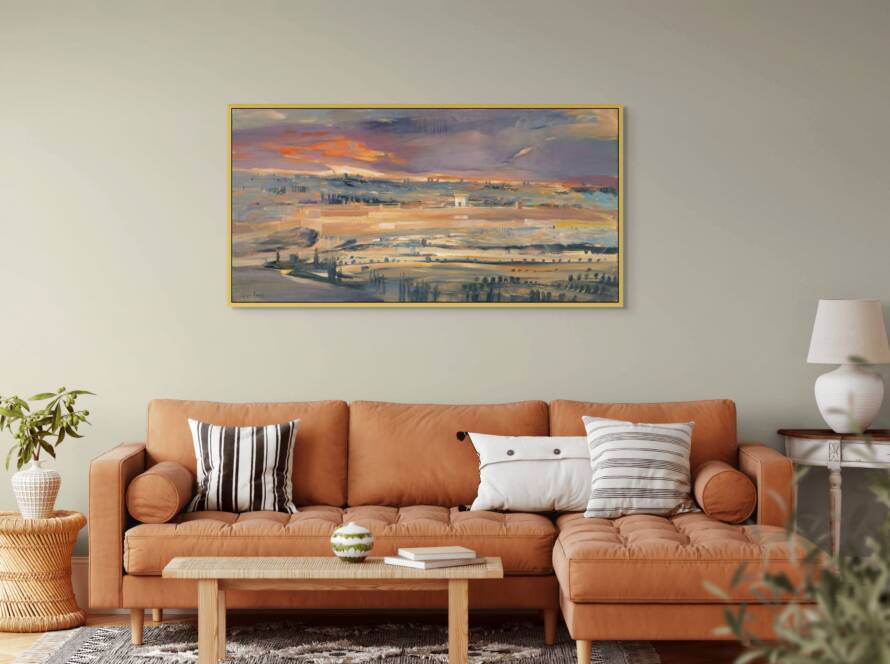
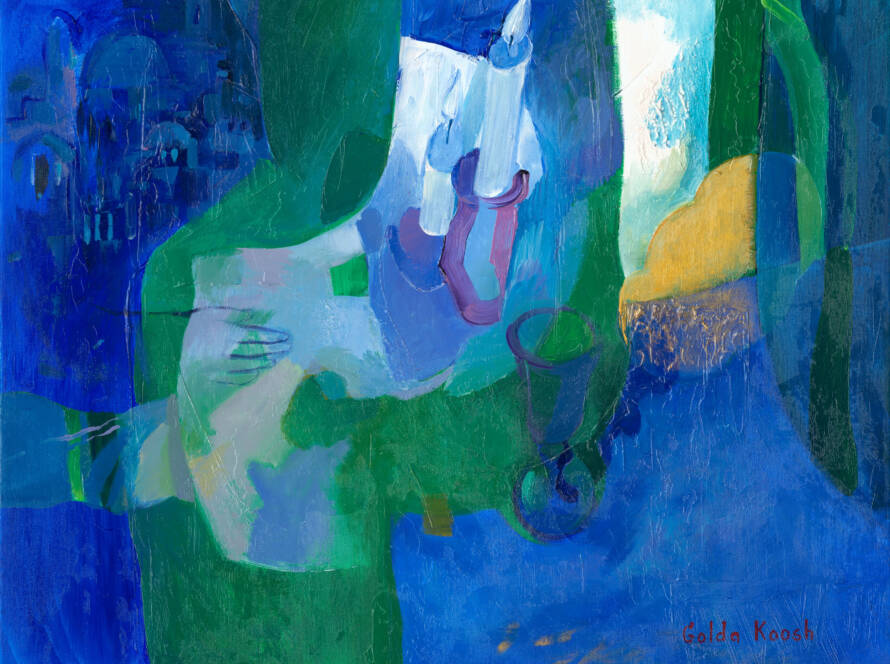
What makes a simple canvas into something truly valuable? It’s the world of Jewish cultural heritage through art. Here, spiritual meaning meets financial savvy. Each brushstroke tells a story of tradition, faith, and connection to the Jewish homeland.
Investing in Judaica art is more than just buying art. These artworks embody the essence of Jewish identity. They celebrate devotion, joy, and sacred moments. Collectors find that this art combines financial gain with spiritual growth.
Starting a collection of Jewish art opens up new insights. From Temple scenes to Shabbat celebrations, these pieces honor traditions and hold investment value. This guide is helpful for both new and experienced collectors. It shows how to build a collection that celebrates Jewish heritage.
Key Takeaways
- Judaica art combines spiritual significance with solid investment.
- Collections preserve Jewish cultural heritage for future generations.
- Market demand grows for authentic Jewish artistic expression.
- Each piece is both a decorative art and an educational tool.
- Strategic collecting builds financial value while honoring tradition.
- Contemporary Jewish artists gain recognition in international markets.
Understanding Judaica Art as Cultural and Financial Investment
Judaica paintings are more than just art; they hold deep Jewish cultural heritage and value. They show centuries of tradition with lively scenes of celebrations and religious events. These pieces are seen as both cultural treasures and investments that grow in value.
The Dual Value of Jewish Cultural Heritage
Every Judaica art piece has a special worth beyond its price. Collectors who buy paintings of Shabbat or weddings connect with ancient traditions. This makes valuable Torah artwork a great choice for those looking for meaningful investments.
These artworks hold a deep emotional value that lasts long. They are passed down through families, becoming both financial and spiritual assets.
Historical Significance in Art Markets
Golda Koosh often showcases Judaica art, which shows its strong market position. Paintings of Jewish life, like biblical scenes, sell for high prices. This shows how art is seen as a valuable investment globally.
Building a Legacy Through Art Collection
Building a collection of Jewish art sets a legacy for the future. Collectors aim for a mix of modern and traditional pieces. Each piece adds value to their collection and keeps traditions alive through art.
The Rise of Contemporary Jewish Artists in the Global Market
The global art market is changing fast. Jewish artists are making their mark on the world stage. They mix old traditions with new art, making Judaica art more appealing to collectors everywhere.
From Tel Aviv to New York and Singapore, Jewish artists are leading conversations. Their work is not just beautiful; it’s also growing in value.
Contemporary Jewish Artist Golda Koosh
Golda Koosh is one of the top names in modern Judaica art. She started at the Moscow School of Arts in 1989. She spent ten years learning the classics.
After showing her work in Russia, Europe, the UK, and the US, she settled in Jerusalem. Her art combines Russian style with Israeli spirituality. This makes her pieces popular with collectors worldwide.
International Exhibition Impact on Value
Being shown in famous museums and galleries can raise a piece’s value. Golda Koosh’s extensive international shows are a great example. Each show adds to her art’s value and reputation.
This makes early purchases of her work very valuable for collectors. Additionally, buying directly from her studio not only enhances the value of the pieces but also supports the artist, ensuring her creative journey continues.
Essential Categories for Investing in Judaica Art
The world of Jewish cultural heritage offers many paths for investing in Judaica art. Each piece tells a unique spiritual story and cultural expression. Smart collectors know that organizing their collection helps build a strong portfolio. It also keeps the sacred stories of Jewish identity alive for future generations.
There are five main categories for serious collectors. Biblical narratives share timeless stories from the Torah. Shabbat celebrations show the beauty of weekly rituals with candlelit scenes. Jerusalem landscapes take us to sacred places, while synagogue interiors highlight communal worship.
Portraits of Jewish women celebrate the strength of matriarchs through history.
|
Category |
Investment Appeal |
Market Demand |
Collection Focus |
|
Jewish Heritage |
Timeless significance |
Very High |
Historical figures and events |
|
Biblical Inspirations |
Emotional resonance |
High |
Key biblical stories and themes |
|
Landmarks of Israel |
Cultural identity |
High |
Iconic sites and landscapes |
|
Traditions and Celebrations |
Community engagement |
Moderate |
Festivals and rituals |
|
Design / Abstract |
Contemporary appeal |
Growing |
Modern interpretations and styles |
To invest wisely in Judaica art, you need to know how these categories fit with spiritual and market values. Collectors often start with one category. They build their knowledge before adding more themes. This way, they deepen their understanding of Jewish culture through art.
Valuable Torah Artwork and Biblical Narratives
Biblical narrative paintings are key in any serious Judaica art collection. They go beyond decoration, adding spiritual depth and market value. These paintings connect us to ancient traditions and offer stable investment options in today’s market.
Noah’s Ark Painting and Its Symbolism
Noah’s Ark painting symbolizes renewal, hope, and divine protection. It attracts collectors from all faiths, making it a great investment. The artist shows the story in many ways, from traditional to abstract, carrying deep meaning and touching viewers in today’s world.
Shabbat and Holiday-Themed Collections
Artworks capture sacred moments, bringing Jewish tradition into homes. They celebrate weekly rituals and festivals, blending spiritual meaning with market value. These pieces connect generations through shared heritage, making them special.
Lighting the Shabbat Candles Painting
Lighting Shabbat candles is a powerful act in Jewish art. This painting shows the moment of transition into a sacred space. A woman’s hands and face glow in golden light, honoring centuries of tradition.
These artworks are key to any serious Judaica collection. Their emotional depth creates a strong demand. Artists who excel in this subject see their work appreciate over time, as families look for pieces that reflect their Shabbat experiences.
Klezmer Music and Jewish Dance Paintings
The world of Klezmer music and dance comes to life in paintings. These artworks show the heart of Jewish culture in motion. They are more than just pictures; they capture the rhythm, joy, and community spirit of Jewish celebrations and survival.
Artist Golda Koosh gives a new look to this timeless subject. Her paintings of musicians and dancers seem to move with energy. Her work on wedding celebrations, festival dances, and street musicians creates visual music. This appeals to both traditional collectors and modern art investors.
The market for these pieces is growing. Auction houses see more demand for simcha (celebration) themes. This is because of their universal appeal and the interest from museums.
Investment in this area is strong for several reasons:
- Universal appeal across generations of Jewish families.
- Growing interest from museums focusing on Jewish cultural heritage.
- Limited availability of authentic period pieces from Eastern European artists.
- The rising prominence of contemporary interpretations by artists like Golda Koosh.
Collectors love paintings that show specific dances like the hora or freylekhs. These works keep cultural practices alive. They connect the past and present, making them valuable for both personal and museum collections.
Building Your Collection Strategy
Creating a thoughtful collection strategy turns casual art buying into meaningful investing in Judaica art. Successful collectors buy with both spiritual appreciation and financial wisdom. They start by seeing how each piece fits into a bigger picture.
They look for how each artwork connects with others through themes and time periods.
Identifying Investment-Grade Pieces
Investment-grade Judaica needs careful evaluation. Quality pieces show great craftsmanship and unique views of traditional themes.
Rare menorah collections are a great example. They mix artistic innovation with sacred meaning. Choose pieces that touch your heart and show skill, as these keep their value.
Diversification Across Themes and Periods
Smart collectors have a mix of art styles. They combine modern views with classic ones. This includes stories from the Torah, festival celebrations, and daily rituals.
This strategy helps avoid market ups and downs. It also creates a rich visual conversation in your collection. Mix figurative and abstract art to add depth without repeating.
The Blue, Red, Gold, and Green Collections
Color series offer a structured way to invest in Judaica art. The Blue Collection brings calm with its sapphire tones, symbolizing heaven and prayer. Red pieces burst with joy and celebration.
The Gold Collection shines with divine light and temple grandeur, including rare Biblical Stories collections. The Green Collection celebrates new beginnings with earth tones. Each series has its own look but stays true to investment goals.
Preservation and Display Considerations
Keeping your Jewish cultural heritage collection safe is key. Each item holds spiritual and financial value, like a cherished kiddush cup. The right care keeps these treasures valuable and beautiful for all to see.
Proper Storage for Canvas Paintings
Canvas paintings need the right environment to stay perfect. Keep the temperature between 65 and 75 degrees Fahrenheit. Humidity should be 45 to 55 percent.
Always store paintings vertically in padded racks. Never stack them flat. Use acid-free materials to protect against damage.
Insurance and Documentation Requirements
Every item in your collection needs detailed records. Keep records of purchase receipts, artist certificates, and appraisals. Update your insurance every year as values change.
Photography is also important. It captures the current state of your collection for future reference.
|
Document Type |
Purpose |
Update Frequency |
|
Purchase Receipt |
Proves ownership |
One time |
|
Condition Report |
Tracks preservation |
Every 2 years |
|
Insurance Appraisal |
Establishes value |
Annually |
|
Exhibition Records |
Documents provenance |
As needed |
Creating Optimal Display Environments
Light is the biggest danger to artwork. LED lights with UV filters are safe at 150 to 200 lux levels. Keep paintings away from windows and heating/cooling units.
Rotating your artwork between display and storage helps. It keeps your collection safe and appreciated for years to come.
Acquiring Premium Judaica Paintings
Building a top collection of Jewish art needs smart buying strategies and reliable connections. Buyers find that getting great pieces involves picking the right sources. This can be through known galleries or direct artist connections. The market for premium Judaica paintings has many ways to buy, each with its own benefits for building a valuable collection.
Working with Specialized Galleries
Specialized galleries act as quality curators. They offer real works from artists like Golda Koosh and others. These places have experts who help pick the right pieces based on condition, history, and value.
Gallery pros help match art with what collectors want. They offer everything from biblical scenes to Hanukkah items. This ensures each piece fits the collector’s goals and investment plans.
Direct Artist Relationships and Studio Visits
Talking directly to artists can lead to buying new art before it’s out. Visiting studios shows how art is made and what inspires it. Golda Koosh invites serious buyers to see new art, including seasonal and abstract pieces.
These personal meetings can also lead to custom art. Collectors can ask for specific themes or styles that match their vision.
Personal Consultations at +972506689640 or goldakoosh.com/contact
For personalized advice, collectors can set up meetings by phone at +972506689640 or online at goldakoosh.com/contact. These meetings offer insights into available art, upcoming pieces, and their investment value. Individual consultation means collectors get focused attention. They learn about the art’s quality and its market worth.
Conclusion
Investing in Judaica art is more than just buying something. It’s about combining financial smarts, cultural care, and spiritual connection. Each painting links old traditions to today’s world, appealing to those who value more than just money.
These artworks carry on Jewish history while growing in value over time. They turn ancient stories into real assets that last.
Art is a special investment when it comes to pieces by artists like Golda Koosh. Her work is found in both personal collections and public shows. These paintings touch the heart and also grow in value, giving families a chance to share both wealth and heritage.
They bring joy and beauty, unlike any financial report can. The colors of Torah scrolls, the light of Shabbat candles, and the lively klezmer dancers all add value to our lives.
Your collection tells a story of tradition and artistic strength. By choosing wisely, verifying authenticity, and keeping them safe, you help these artworks inspire future generations. Investing in Judaica art is not just about money. It’s about joining a timeless dialogue between the past, present, and future.